TMJ Relief in New Holland PA
Treatment for Jaw Pain, Headaches & Teeth Grinding
Do you wake up with a sore jaw, facial tension, or frequent headaches? Do you notice clicking, popping, or discomfort when you chew? These symptoms may be related to a temporomandibular joint disorder (TMJ/TMD), a condition that affects the joints, muscles, and ligaments responsible for moving your jaw.
At Laura Harkin, DMD, we provide personalized, non-surgical TMJ treatment in New Holland, PA. Dr. Harkin works closely with patients to identify the root cause of their discomfort and develop conservative treatment options designed to improve jaw function, reduce pain, and protect long-term oral health.
Understanding the Temporomandibular Joint (TMJ)
Your temporomandibular joints connect your lower jaw to your skull and are located just in front of your ears. These joints work together with the muscles of your face, head, and neck every time you speak, chew, yawn, or swallow.
When the joints become strained or the bite is not functioning properly, patients may experience a variety of uncomfortable symptoms. TMJ disorders can develop gradually over time and are often associated with teeth grinding (bruxism), jaw clenching, stress, muscle tension, bite imbalances, or injury.

Common Symptoms of TMJ Disorder
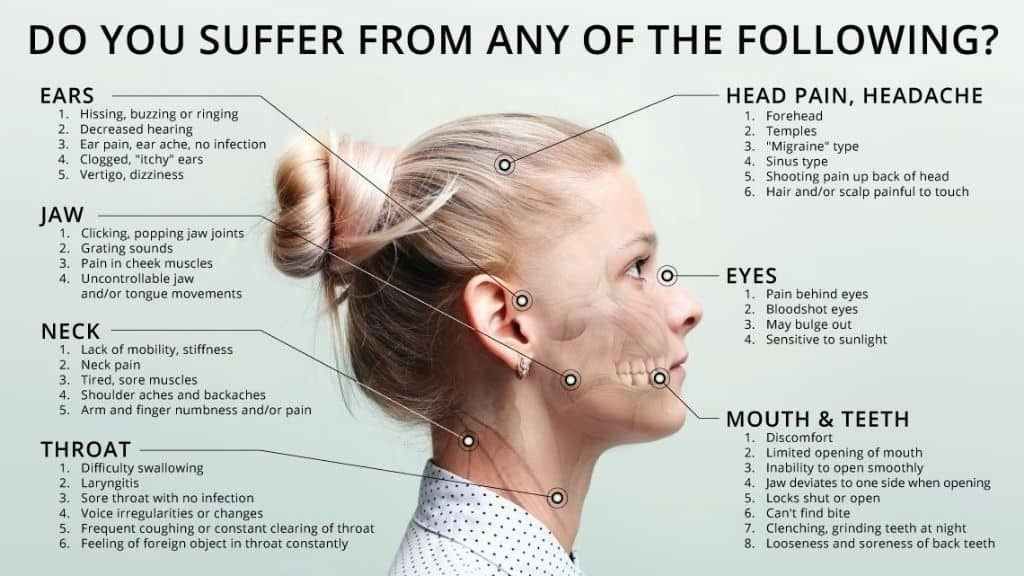
TMJ dysfunction can cause symptoms that extend far beyond the jaw itself. Common signs of TMD include:
- Jaw pain or tenderness
- Clicking, popping, or grinding sounds when opening and closing the mouth
- Frequent headaches or migraines
- Facial pain or muscle tension
- Ear pain, fullness, or ringing in the ears
- Neck and shoulder discomfort
- Difficulty chewing
- Limited jaw movement or jaw locking
- Teeth grinding or clenching, especially during sleep
Many patients are surprised to learn that chronic headaches, facial pain, and worn teeth may all be connected to an underlying TMJ issue.
Non-Surgical TMJ Treatment Options
A comprehensive evaluation is the first step toward finding relief. Dr. Harkin will assess your bite, jaw function, symptoms, and overall oral health to determine the most appropriate treatment approach.
Depending on your specific needs, treatment may include:
Custom TMJ Splint Therapy
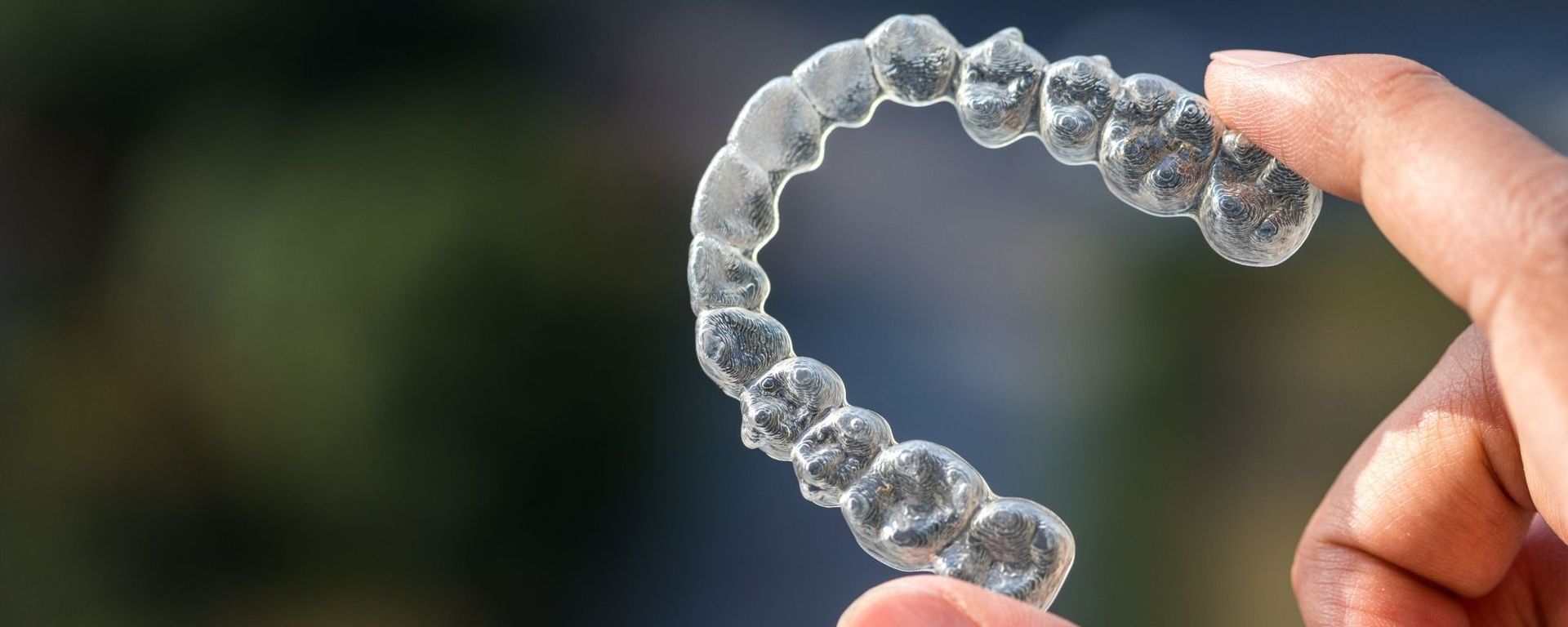
One of the most effective conservative treatments for TMJ disorders is a custom-made splint. Unlike over-the-counter mouthguards, a professionally designed splint is carefully fabricated to help reduce strain on the jaw joints and muscles while protecting the teeth from grinding and clenching.
Many patients experience significant improvement in jaw discomfort, headaches, muscle tension, and sleep-related grinding with properly designed splint therapy.
Learn more about TMJ Splint Therapy >>
Bite Evaluation & Occlusal Adjustments
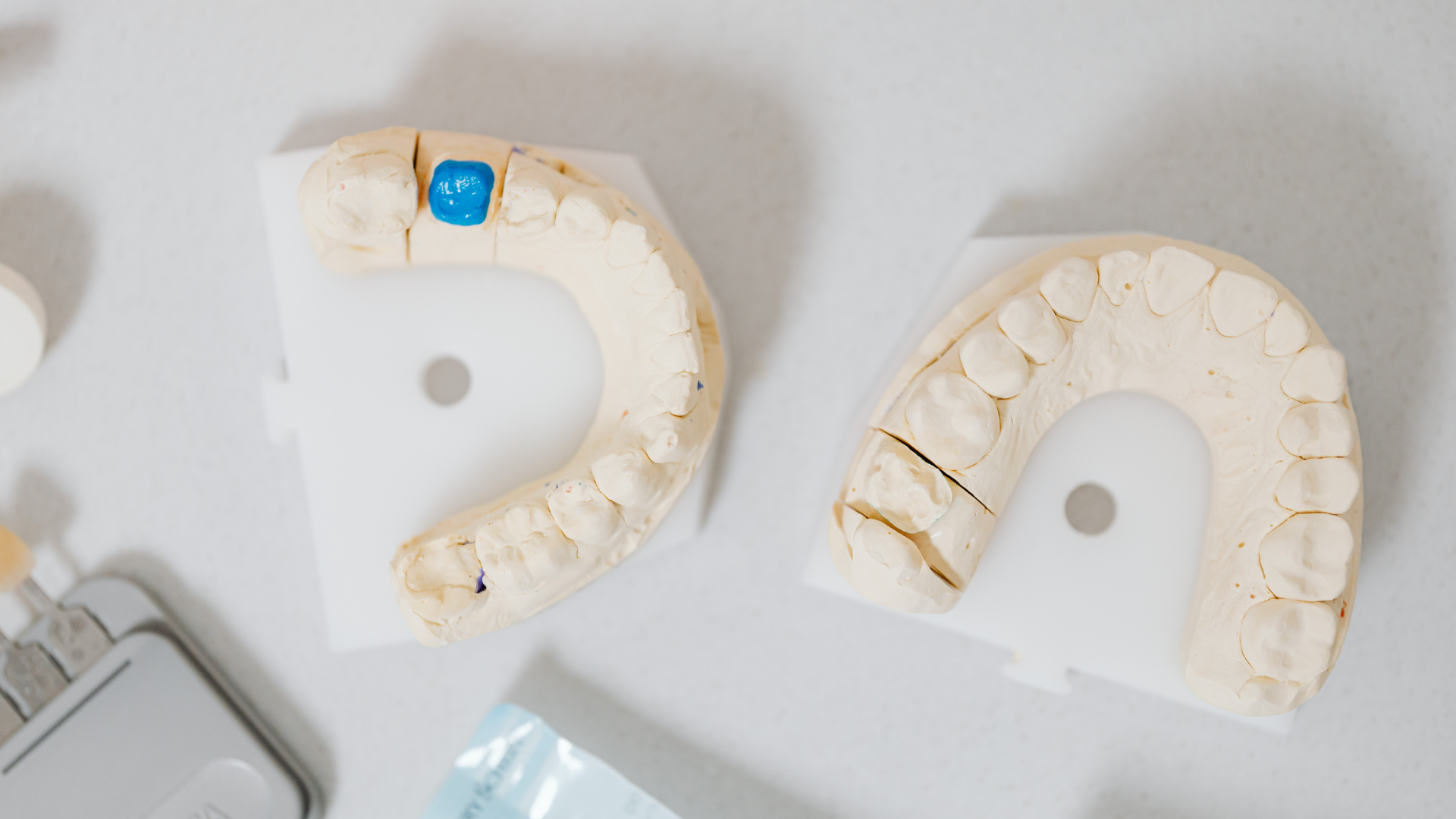
When bite imbalances contribute to TMJ symptoms, treatment may involve carefully evaluating how the teeth fit together and making recommendations to improve function and comfort. We evaluate each patient's bite and teeth function during preventative dental care visits so it's important to keep up with your routine cleanings to catch any early signs of a TMJ disorder.
Managing Teeth Grinding & Clenching
Many TMJ patients unknowingly clench or grind their teeth throughout the day or while sleeping. Identifying these habits and protecting the teeth can help prevent further wear and reduce stress on the jaw joints.
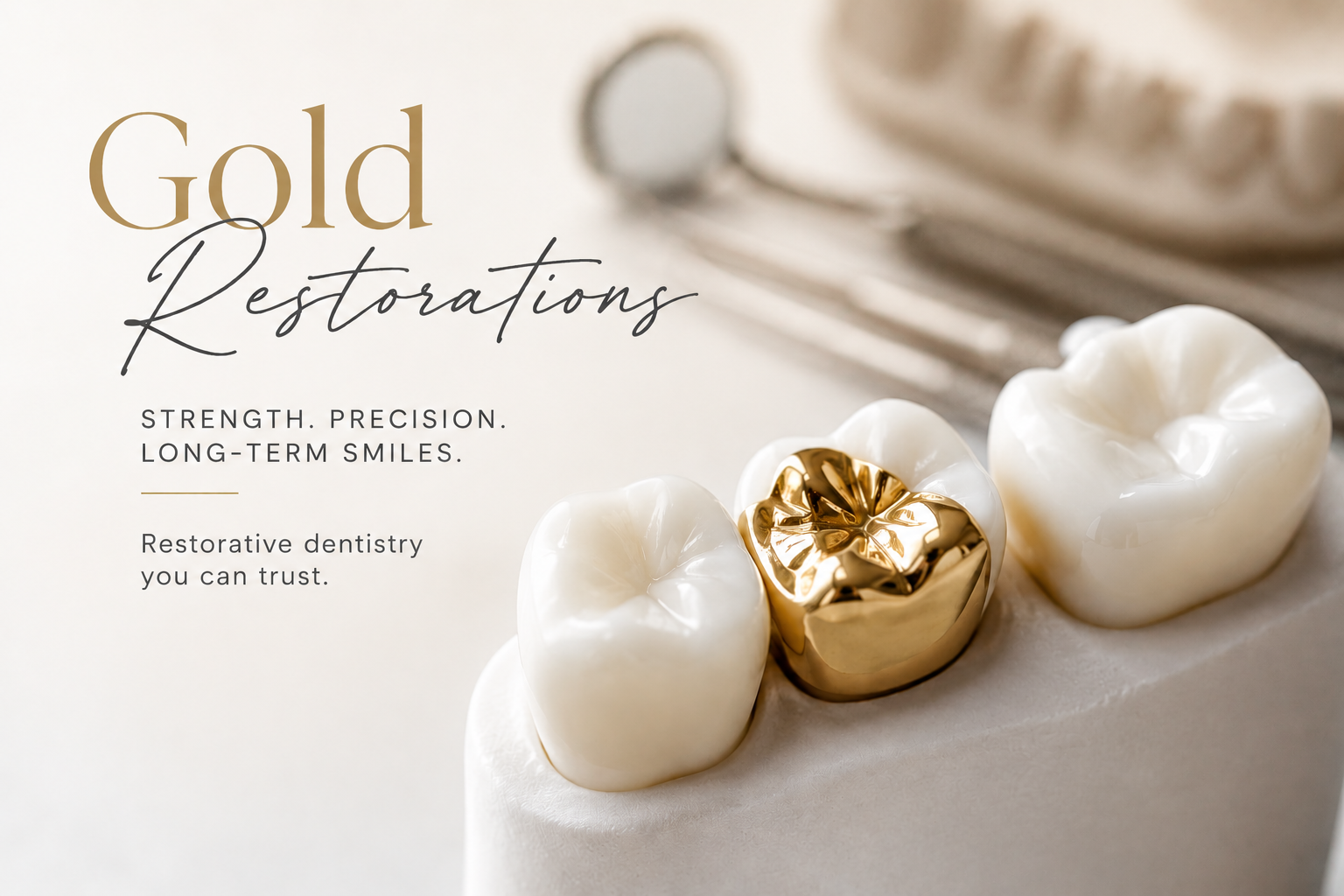
Restorative Treatment When Needed
In some cases, worn, damaged, or missing teeth can contribute to bite instability and TMJ symptoms. Dr. Harkin's extensive experience in comprehensive restorative dentistry allows her to evaluate the relationship between your bite, jaw function, and long-term oral health.
Learn more about Restorative Dentistry >>
Find TMJ Relief in New Holland, PA
You don't have to live with chronic jaw pain, headaches, or the effects of teeth grinding. Dr. Harkin provides thoughtful, individualized care for patients throughout New Holland, Lancaster County, Chester County, Berks County, and York County who are seeking lasting relief from TMJ-related discomfort.
If you're experiencing symptoms of TMJ disorder, contact our office to schedule a consultation and learn whether splint therapy or another conservative treatment option may be right for you.
What is the difference between TMJ and TMD?
Many people use the terms TMJ and TMD interchangeably, but they actually mean different things. TMJ stands for temporomandibular joint—the hinge joint that connects your lower jaw to your skull on each side of your face. TMD, or temporomandibular disorder, refers to problems affecting those joints, the surrounding muscles, and the way the jaw functions.
When someone says they "have TMJ," they are usually referring to TMD symptoms such as jaw pain, headaches, clicking or popping sounds, teeth grinding, facial tension, or difficulty opening and closing the mouth comfortably. At our New Holland dental office, Dr. Harkin evaluates the underlying causes of TMJ dysfunction and offers conservative treatment options, including custom splint therapy, to help relieve discomfort and improve jaw function.
Can TMJ disorder cause headaches?
Yes. Many patients with TMJ disorders experience frequent headaches, facial pain, neck tension, or migraines. When the jaw joints and surrounding muscles become strained, the discomfort can radiate throughout the head, face, and neck.
Will a TMJ splint stop teeth grinding?
A custom TMJ splint can help reduce the damaging effects of teeth grinding and clenching while protecting your teeth from excessive wear. It also helps reduce stress on the jaw joints and muscles, allowing many patients to experience greater comfort and improved function.
When should I see a dentist for TMJ symptoms?
If you regularly experience jaw pain, headaches, clicking or popping in your jaw, facial tension, teeth grinding, or difficulty chewing, it may be time for a TMJ evaluation. Early treatment can often prevent symptoms from worsening and help protect your teeth and jaw joints from long-term damage.