TMJ Treatment & Splint Therapy
IN NEW HOLLAND, PA
At Dr. Laura S. Harkin's office in New Holland, we take a comprehensive approach to diagnosing and treating TMJ disorders. Through advanced evaluation, custom splint therapy, and therapeutic Botox® treatments, we help patients throughout Lancaster County find relief while protecting their teeth and long-term oral health.

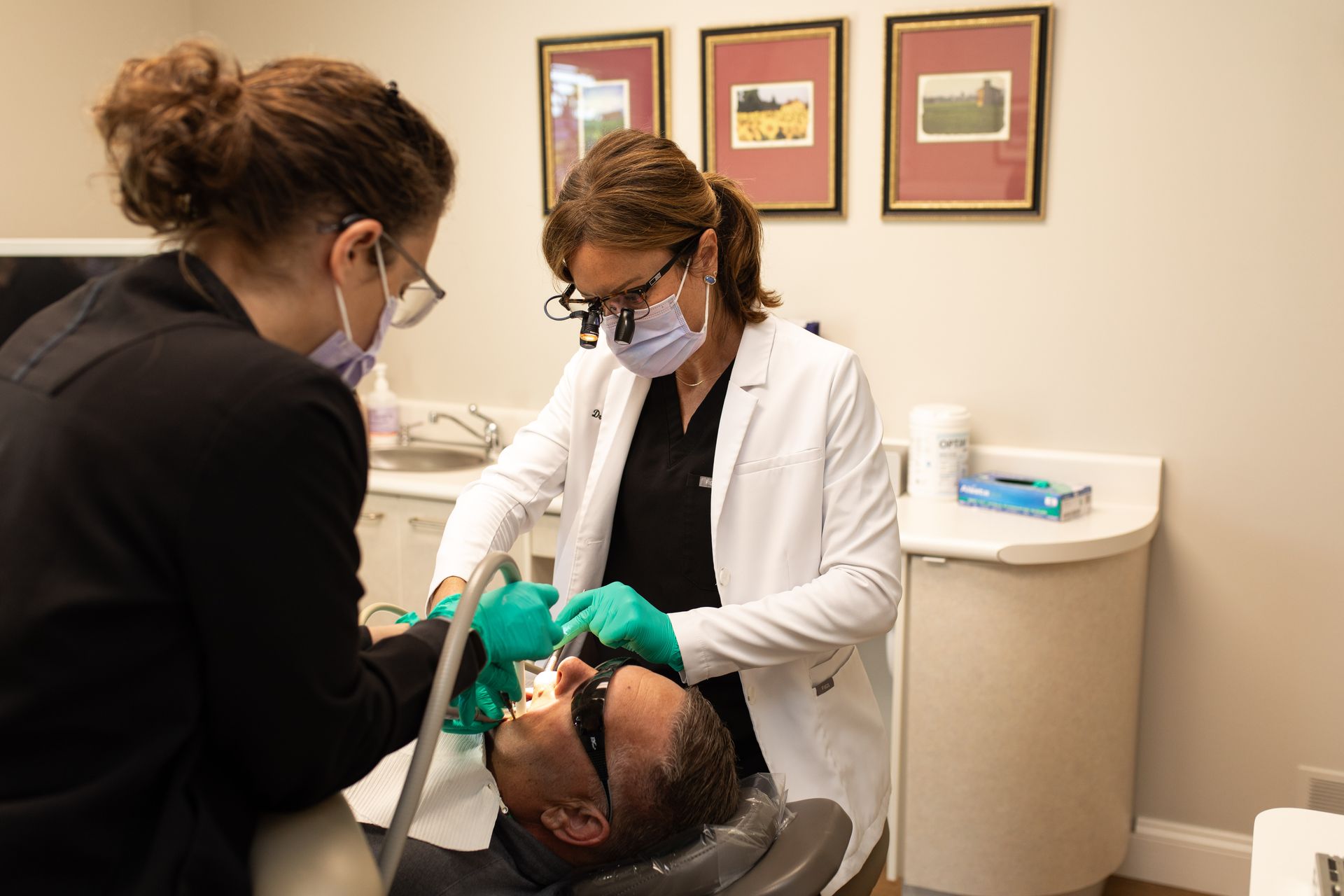
Relief for Jaw Pain, Teeth Grinding, and TMJ Disorders
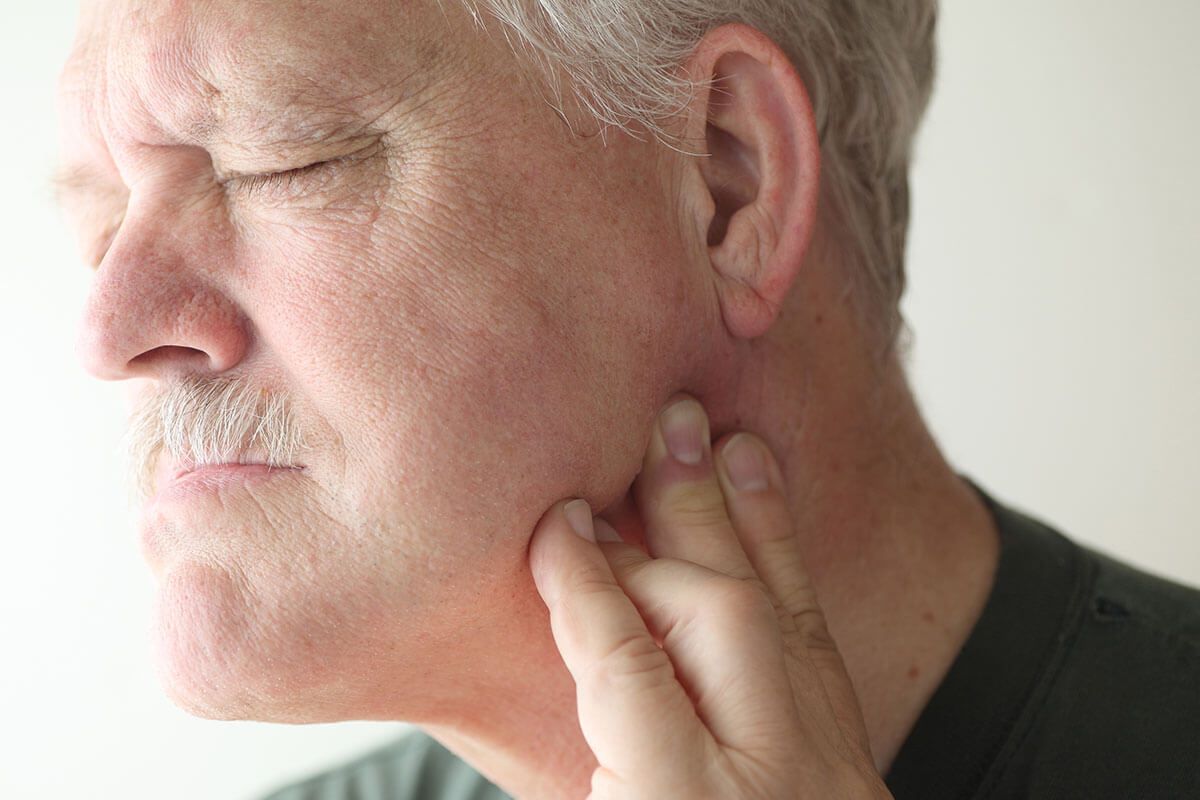
If you suffer from jaw pain, headaches, teeth grinding, clenching, or chronic facial tension, the source of your discomfort may be your temporomandibular joints (TMJ). The temporomandibular joints connect your jaw to your skull and play an essential role in everyday activities like speaking, chewing, swallowing, and smiling. When these joints become strained or the muscles surrounding them become overworked, patients may experience a condition known as Temporomandibular Joint Disorder (TMD).
TMJ disorders affect more than just the jaw. Because the jaw joints and muscles are closely connected to the head, neck, and shoulders, dysfunction can create symptoms throughout the entire body.
Common signs of TMJ disorder include:
- Jaw pain or soreness
- Clicking, popping, or grinding sounds when opening or closing the mouth
- Difficulty chewing comfortably
- Frequent headaches or migraines
- Neck and shoulder tension
- Ear pain or a feeling of fullness in the ears
- Locking of the jaw
- Limited jaw movement
- Worn, chipped, or fractured teeth
- Teeth grinding (bruxism)
- Clenching during sleep or periods of stress
Many patients are surprised to learn that chronic headaches, tooth sensitivity, and even damaged dental work can be linked to an unhealthy bite or overactive jaw muscles.
Custom TMJ Splint Therapy
Protecting Your Teeth While Relieving Jaw Strain
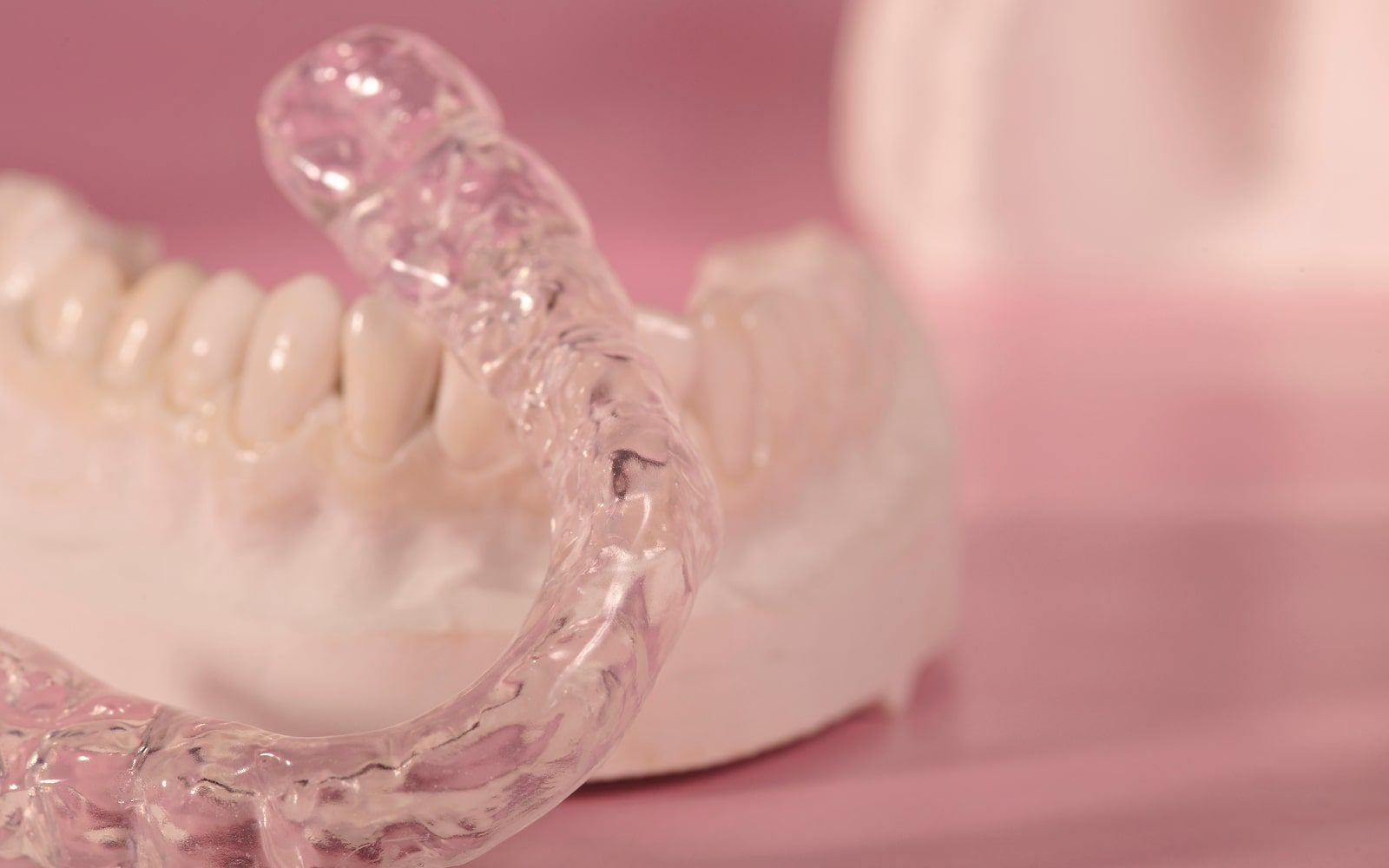
One of the most effective treatments for TMJ disorders is a custom-made bite splint. Unlike over-the-counter night guards, a professionally designed TMJ splint is customized specifically for your bite and jaw relationship. The appliance helps reduce pressure on the jaw joints, relax strained muscles, and protect your teeth from the damaging effects of grinding and clenching.
Benefits of splint therapy may include:
- Reduced jaw pain and muscle tension
- Fewer headaches and migraines
- Improved sleep quality
- Less teeth grinding and clenching
- Reduced tooth sensitivity
- Improved jaw mobility and function
- Protection for crowns, veneers, implants, and natural teeth
- Prevention of future wear and damage
For many patients, splint therapy becomes an important part of preserving both their comfort and their long-term dental health.
Botox® Therapy for TMJ Relief
A Conservative, Non-Surgical Treatment Option
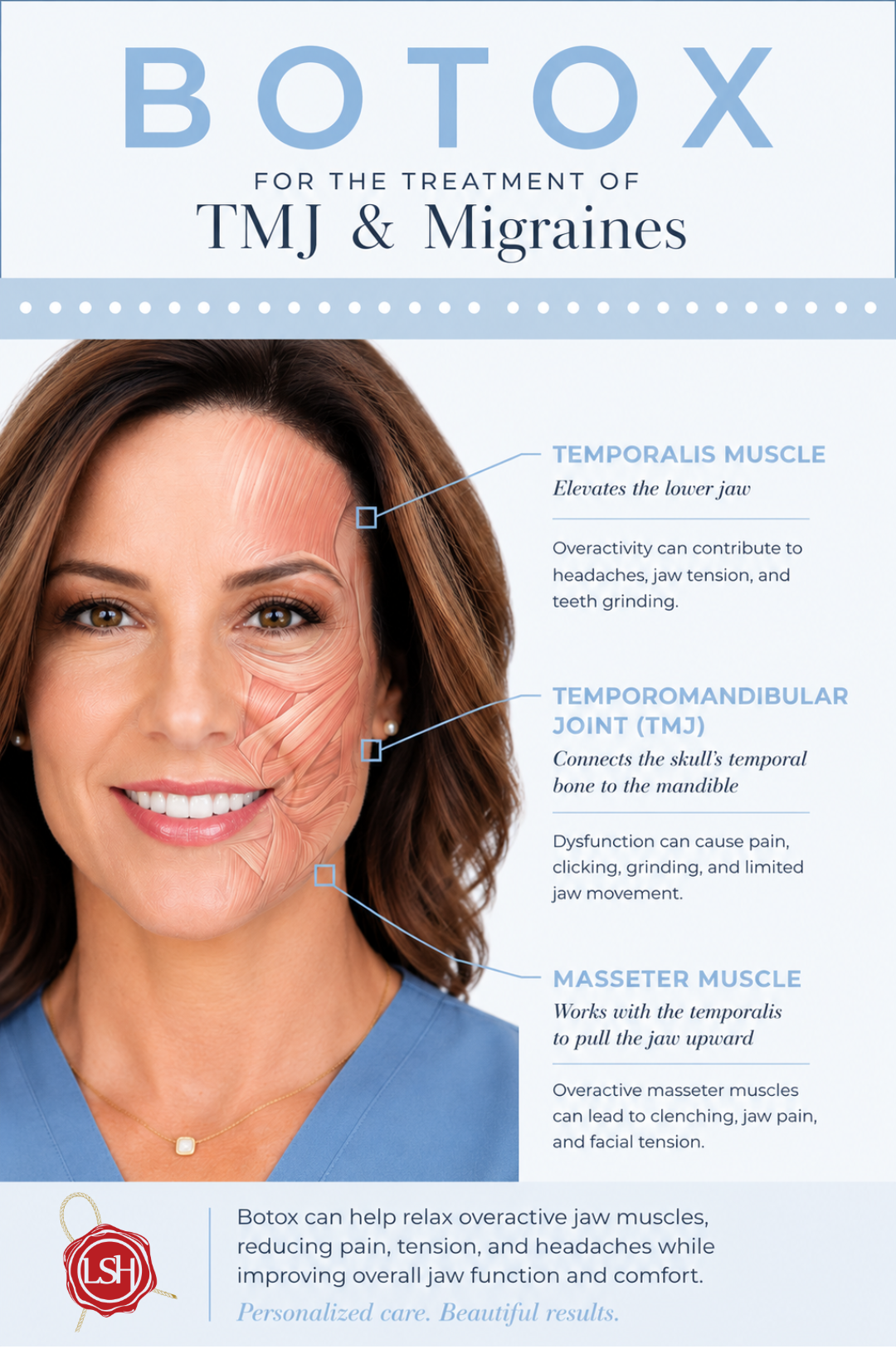
While many people associate Botox® with cosmetic treatments, it has become an effective therapeutic solution for patients who suffer from TMJ discomfort caused by overactive jaw muscles.
Botox works by gently relaxing the masseter muscles—the powerful chewing muscles responsible for clenching and grinding. As these muscles relax, patients often experience significant relief from facial tension, headaches, jaw soreness, and muscle fatigue.
Patients frequently seek Botox therapy for:
- Chronic jaw clenching
- Teeth grinding (bruxism)
- TMJ-related headaches
- Facial muscle tension
- Neck pain associated with clenching
- Lockjaw symptoms
- Excessive wear on teeth and restorations
Dr. Harkin carefully evaluates each patient's symptoms and treatment goals to determine whether Botox is appropriate as a standalone treatment or in combination with splint therapy.
Is TMJ Treatment Right for You?
You may benefit from a TMJ evaluation if you experience:
- Frequent headaches or facial pain
- Jaw clicking or popping
- Difficulty opening or closing your mouth
- Teeth grinding or clenching
- Worn, cracked, or fractured teeth
- Morning jaw soreness
- Chronic neck and shoulder tension
- Discomfort when chewing
Many patients live with these symptoms for years without realizing effective treatment options are available, but a comprehensive evaluation can help determine the source of your discomfort and identify the best path forward.
Why Patients Choose Dr. Harkin for TMJ Treatment
TMJ disorders are complex. Successful treatment requires understanding how the teeth, jaw joints, muscles, and bite all work together.
Dr. Harkin's extensive training in occlusion (bite function), restorative dentistry, and comprehensive treatment planning allows her to evaluate the entire system—not just the symptoms. Rather than simply treating discomfort, her goal is to identify contributing factors, protect your teeth from further damage, and create a long-term solution that improves both comfort and function.
Patients throughout New Holland, Lancaster County, and the surrounding communities trust Dr. Harkin for personalized care, conservative treatment recommendations, and a commitment to lasting results.
Frequently Asked Questions About TMJ Treatment
TMJ symptoms can affect everything from your sleep quality to your ability to comfortably eat and speak. Here are answers to some of the questions we hear most often about TMJ disorders, splint therapy, and Botox treatment.
What is the difference between TMJ and TMD?
TMJ refers to the temporomandibular joints themselves. TMD (Temporomandibular Joint Disorder) refers to conditions affecting the joints, muscles, and surrounding structures.
How do I know if I grind my teeth at night?
Common signs include worn teeth, chipped dental work, morning headaches, jaw soreness, tooth sensitivity, and reports from a spouse or partner who hears grinding during sleep.
Is a custom splint better than a store-bought night guard?
Yes. Custom splints are designed specifically for your bite and jaw position, making them more comfortable, effective, and protective than over-the-counter options.
Does Botox change the appearance of my face?
When used for TMJ treatment, Botox is carefully administered to relax overactive muscles while preserving normal facial expressions and function.
How long does TMJ Botox last?
Most patients experience relief for approximately 3–4 months, although individual results vary.
Can TMJ problems damage my teeth?
Absolutely. Chronic clenching and grinding can cause tooth wear, fractures, gum recession, sensitivity, and damage to crowns, veneers, and other dental restorations.
What areas do you serve for TMJ treatment?
Dr. Harkin welcomes patients from New Holland, Garden Spot Village, Lancaster, Leola, Intercourse, Blue Ball, Ephrata, Lititz, and surrounding Lancaster County communities.
Additional Dental Services